
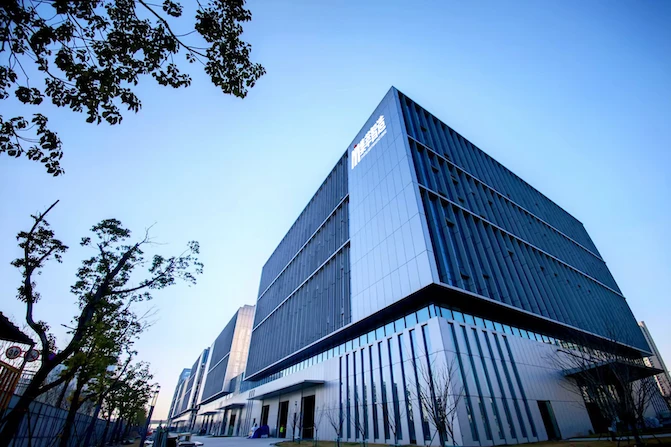
What Is Intelligent Manufacturing? Insights from Jiangsu Jitri Intelligent Manufacturing Research Institute
Introduction
Intelligent manufacturing is transforming the global industrial landscape. As industries move toward digitalization, automation, and artificial intelligence, intelligent manufacturing has become a key driver for improving productivity, quality, and operational efficiency.
Research institutions and technology organizations play an important role in advancing these innovations. Among them, Jiangsu Jicui Intelligent Manufacturing Research Institute Co., Ltd. focuses on developing advanced technologies and solutions that support the transition toward smart factories and next-generation industrial automation.
This article explains what intelligent manufacturing is, how it works, and why it is becoming essential for modern industries.
What Is Intelligent Manufacturing?
Intelligent manufacturing refers to the integration of advanced digital technologies with traditional manufacturing processes to create more flexible, efficient, and data-driven production systems.
It combines multiple technologies, including:
- Industrial robotics
- Artificial intelligence (AI)
- Machine vision
- Internet of Things (IoT)
- Big data analytics
- Cloud computing
- Digital twin technology
Through these technologies, factories can automate complex processes, monitor production in real time, and optimize manufacturing operations.
Intelligent manufacturing is often considered a core component of the Industry 4.0 transformation.
Key Technologies in Intelligent Manufacturing
Industrial Robotics
Robotic systems are one of the most visible components of intelligent manufacturing. Industrial robotic arms can perform tasks such as welding, assembly, material handling, packaging, and inspection with high precision.
Modern robotic systems can also collaborate with human workers, creating safer and more flexible production environments.
Machine Vision Systems
Machine vision technology allows robots and production systems to “see” and analyze objects using cameras and AI algorithms. This technology is widely used for quality inspection, defect detection, and automated measurement.
Artificial Intelligence
AI enables manufacturing systems to analyze large amounts of production data and make intelligent decisions. AI can optimize production scheduling, predict equipment failures, and improve overall factory efficiency.
Industrial Internet of Things (IIoT)
IIoT connects machines, sensors, and production systems through networks. This connectivity enables real-time monitoring of equipment performance and production processes.
The Role of Research Institutions in Smart Manufacturing
The development of intelligent manufacturing technologies requires collaboration between research institutions, industrial companies, and technology providers.
Jiangsu Jicui Intelligent Manufacturing Research Institute Co., Ltd. focuses on research, development, and industrial applications in areas such as:
- Intelligent production systems
- Industrial robotics integration
- Smart manufacturing platforms
- Advanced automation technologies
- Digital factory solutions
By combining research capabilities with real industrial applications, the institute helps companies accelerate their digital transformation.
Applications of Intelligent Manufacturing
Intelligent manufacturing technologies are being applied across many industries.
Automotive Manufacturing
Automotive factories rely heavily on robotic automation for welding, painting, assembly, and quality inspection.
Electronics Manufacturing
In electronics production, intelligent manufacturing enables high-precision assembly and automated testing of small components.
CNC Machining Automation
Robotic arms can automatically load and unload parts from CNC machines, allowing factories to operate continuously and improve productivity.
Logistics and Warehousing
Automated systems are used for sorting, packaging, palletizing, and warehouse management.
Through intelligent automation solutions, companies can significantly improve operational efficiency.
Benefits of Intelligent Manufacturing
Higher Productivity
Automated systems can operate continuously without fatigue, increasing production output.
Improved Quality
Robots and AI systems can perform tasks with high accuracy and consistency, reducing defects.
Cost Reduction
Automation helps reduce labor costs and minimize production errors.
Greater Flexibility
Modern manufacturing systems can quickly adapt to changes in product design and production demand.
Enhanced Safety
Robots can perform dangerous tasks, improving workplace safety for human workers.
These advantages make intelligent manufacturing a strategic priority for many industries worldwide.
Future Trends in Intelligent Manufacturing
The future of manufacturing will be increasingly intelligent and interconnected.
Key trends include:
- Collaborative robots working safely with human workers
- AI-driven production optimization
- Digital twin technology for factory simulation
- Cloud-based manufacturing platforms
- Autonomous production systems
Research institutions such as Jiangsu Jicui Intelligent Manufacturing Research Institute Co., Ltd. are expected to play an important role in developing these technologies and supporting the next generation of smart factories.
Frequently Asked Questions
What is the difference between automation and intelligent manufacturing?
Automation focuses on replacing manual tasks with machines, while intelligent manufacturing integrates advanced technologies such as AI, data analytics, and connectivity to create highly optimized production systems.
Why is intelligent manufacturing important?
It improves productivity, reduces costs, enhances product quality, and enables more flexible manufacturing operations.
What industries benefit most from intelligent manufacturing?
Industries such as automotive, electronics, aerospace, logistics, and precision engineering benefit significantly from intelligent manufacturing technologies.
Can small and medium-sized factories adopt intelligent manufacturing?
Yes. With the development of collaborative robots and modular automation systems, intelligent manufacturing is becoming more accessible to small and medium-sized manufacturers.
Conclusion
Intelligent manufacturing is reshaping the future of global industry by combining automation, artificial intelligence, and digital technologies.
Organizations like Jiangsu Jicui Intelligent Manufacturing Research Institute Co., Ltd. contribute to this transformation by researching and developing advanced manufacturing solutions that help companies build smarter and more efficient production systems.
As manufacturing continues to evolve, intelligent technologies will play an increasingly important role in creating sustainable, flexible, and highly productive factories.