
In recent times, the welding industry has been experiencing tremendous growth, with several welding techniques available to meet the varying needs of consumers. Two of the most commonly used welding techniques are Metal Inert Gas (MIG) welding and Laser welding. MIG welding is a type of arc welding that uses a consumable wire electrode and a shielding gas to create an electric arc between the wire and the metal being welded. Laser welding, on the other hand, is a non-contact welding process that uses a high-energy laser beam to melt and fuse two metal pieces together.
The debate on which welding technique is better between MIG and laser welding is ongoing. However, before selecting which technique to use, it is essential to analyze the differences between these two techniques and their suitability for specific projects.
MIG welding is a popular choice for beginners and DIY enthusiasts due to its affordability and ease of use. This welding technique can be used on a wide range of materials, including steel, aluminum, and stainless steel. It produces high-quality welds, and small projects are typically completed within a short time frame.
Laser welding is an advanced technique that is best suited for high precision welding jobs. It eliminates the need for filler materials, making it a cleaner welding process and reducing the likelihood of defects. It produces a weld that is strong and has a low heat input zone, which makes it a preferred choice for welding metals that are susceptible to warping.
The demand for welding has increased significantly in many industries, including construction, aerospace, and manufacturing. The choice of welding technique to use for a specific project is dependent on several factors, including the type of materials being welded, the required level of precision, and the desired finish quality.
In the automotive industry, MIG welding is commonly used for body repairs, whereas laser welding is used for the production of car bodies. Laser welding has become increasingly popular in the aerospace industry due to its high precision and ability to weld thin sheets of metal without causing distortion.
With the rise in demand for environmentally friendly products, industries also look to welding technology to ensure sustainable production. The use of laser welding in the jewelry industry allows manufacturers to produce exquisite designs while reducing material waste.
The future looks bright for the welding industry, with massive investment in research and development. The innovative solutions being developed may lead to new welding techniques that exceed the capabilities of the existing ones. In recent years, advancements like hybrid welding, which combines MIG and laser welding, have been developed, leading to stronger, more durable welds.
there is no one-size-fits-all when it comes to determining which welding technique is best suited for a particular project. MIG welding is an excellent choice for small projects, beginners, and those on a budget, while laser welding is best for high precision welding jobs. With the continuous evolution of the welding industry, it is expected that new techniques will emerge, providing options that may surpass the existing ones. To get the best results for your welding projects, it is essential to consult with a professional to determine which technique best meets your project requirements.
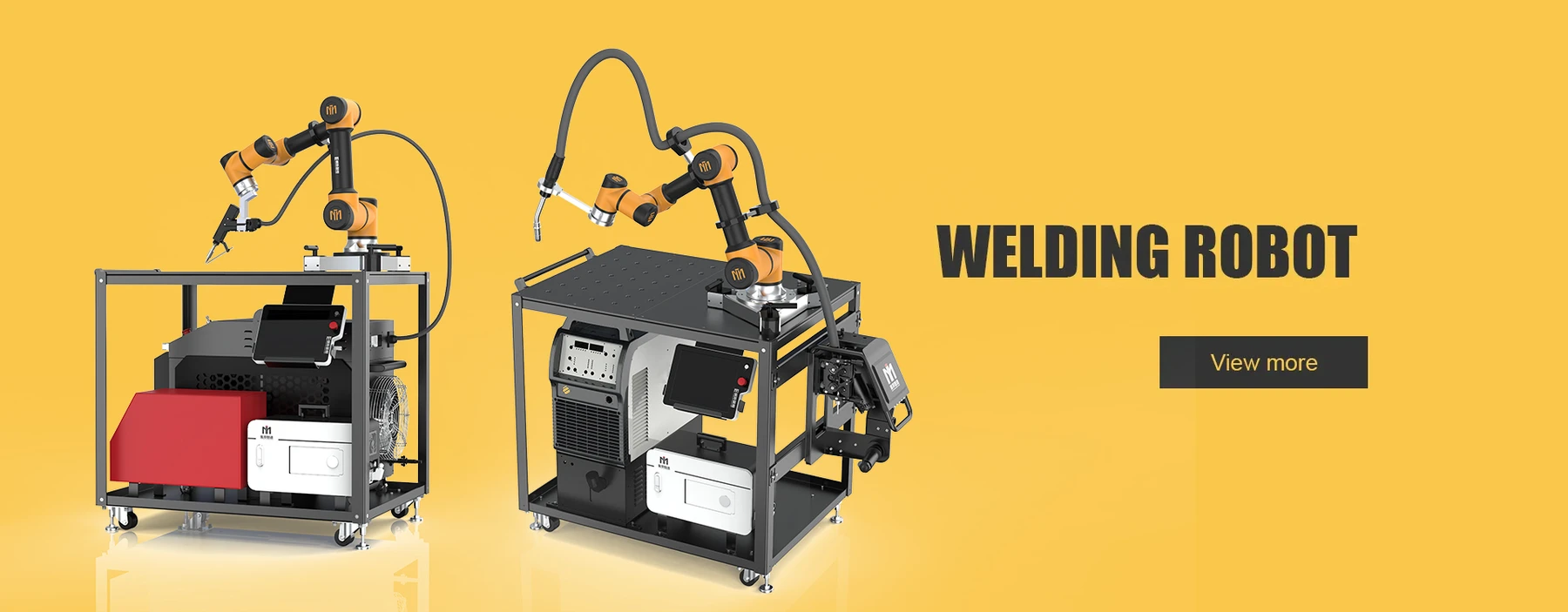
the IIMT welding robot is a game-changer for the welding industry, offering a reliable, efficient, and cost-effective solution that can improve productivity and precision. As the demand for portable welding solutions continues to grow, companies that invest in this cutting-edge technology will be well-positioned to take advantage of the many benefits it offers. For more information on the IIMT welding robot, including pricing and FAQ, head to the company's website or contact their customer service team.