In recent years, the welding industry has seen a surge in the adoption of automation techniques, with welders increasingly turning to robotic solutions to optimize productivity and stay ahead of the curve.
In particular, MIG (Metal Inert Gas) and TIG (Tungsten Inert Gas) welding have emerged as popular welding automation techniques. MIG welding, also known as gas metal arc welding, involves the use of a wire electrode to form a weld, while TIG welding, or gas tungsten arc welding, utilizes a tungsten electrode to melt the base metal and form a weld.
The benefits of these welding techniques are numerous, with MIG welding offering high deposition rates and a faster welding speed, while TIG welding facilitates the creation of high-quality welds with low heat input and minimal spatter. By automating these welding techniques, welders can optimize productivity, reduce labor costs, and improve overall weld quality.
There are also different types of welding robots available on the market, each with its own unique advantages. For instance, articulated robots offer greater movement flexibility, while gantry robots are suited for high-speed, high-volume welding tasks. By understanding the benefits of each type of welding robot, welders can select the best solution for their specific welding needs.
To stay ahead of the competition, welders should also seek out expert help and training in welding automation techniques. Welding automation specialists can provide guidance on which techniques and robots will best suit a welder's needs, as well as offer training on how to properly operate and maintain these solutions.
The demand for welding automation solutions is growing rapidly, particularly in industries such as automotive, aerospace, and manufacturing. Welders who embrace automation techniques and invest in the latest technology will be well-positioned to capitalize on this trend and remain competitive in the market.
In conclusion, the welding industry is undergoing a transformation as more welders turn to automation techniques to optimize productivity and reduce labor costs. By learning about the benefits of different welding automation techniques and staying up-to-date on the latest technology, welders can stay ahead of the curve and meet the demands of modern manufacturing.
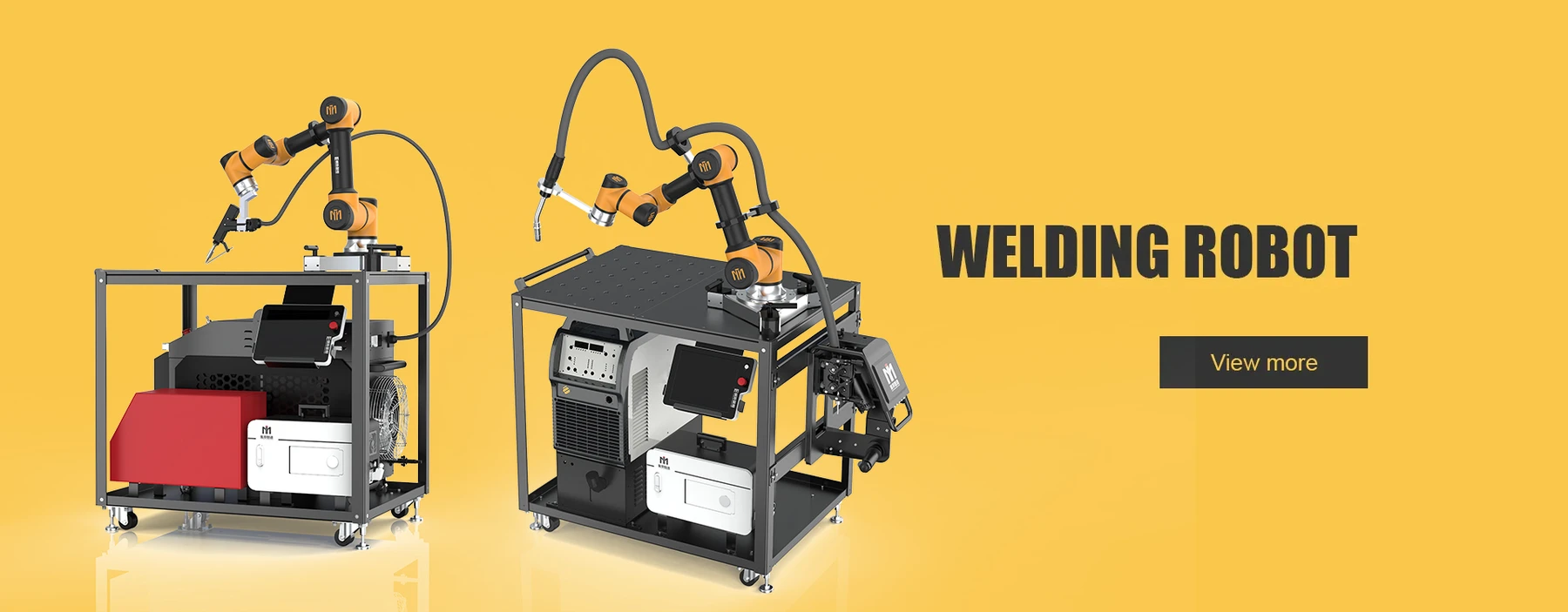
the IIMT welding robot is a game-changer for the welding industry, offering a reliable, efficient, and cost-effective solution that can improve productivity and precision. As the demand for portable welding solutions continues to grow, companies that invest in this cutting-edge technology will be well-positioned to take advantage of the many benefits it offers. For more information on the IIMT welding robot, including pricing and FAQ, head to the company's website or contact their customer service team.