In today’s rapidly evolving technological landscape, businesses are increasingly seeking automation solutions that enhance efficiency and productivity. Two prominent categories of robotic technologies are robot arms and collaborative robots, commonly referred to as cobots. While both play vital roles in industrial automation, they have fundamental differences in design, functionality, and application. This guide explores these distinctions in depth, assisting businesses in evaluating their automation needs and choosing the right solution.
The Rise of Automation in Industry
In recent years, global trends have shifted towards greater automation across diverse sectors. A combination of workforce challenges, such as labor shortages and rising operational costs, alongside advancements in robotic technology are propelling this change. Industries including manufacturing, logistics, healthcare, and even agriculture are evaluating how to incorporate robots to maintain competitiveness and increase productivity.
Market research indicates that the global market for robots is poised for significant growth. According to a report by Allied Market Research, the robotics market was valued at approximately USD 62.75 billion in 2020 and is expected to exceed USD 200 billion by 2028. A considerable portion of this growth is attributed to the dual advancements of traditional industrial robots and the newer class of collaborative robots.
Understanding Robot Arms
Robot arms, or industrial robots, have been the backbone of automation for decades. These machines resemble the human arm in design, minus the intricate nuances of dexterity. They typically feature several joints—articulated, cylindrical, or linear—that allow them to move in multiple directions, making them capable of handling heavy payloads, precision tasks, and repetitive motion required in various applications.
Design and Functionality
Robot arms are predominantly designed for maximum efficiency in executing specific tasks. Often made from robust materials, they can endure substantial wear and tear in demanding environments like assembly lines or manufacturing plants. Their movements are pre-programmed, predominantly operating in a fixed environment where they perform tasks like welding, painting, assembly, and material handling.
Key Features:
- Strength and Payload Capacity: Robot arms are built to lift and manipulate heavy objects, making them ideal for industrial tasks that require strength.
- Speed and Precision: They can perform tasks faster and with higher precision than a human worker could, which is crucial in mass production environments.
- Programming and Flexibility: While they require intricate programming to perform different tasks, many contemporary robot arms can be reprogrammed for various applications, albeit with some downtime.
Applications: Primarily used in automotive manufacturing, metal fabrication, electronics, and consumer goods production, robot arms excel in environments that demand repetitive, high-speed tasks. Their presence is vital within assembly lines, where they may perform tasks such as riveting, welding, and quality control inspections.
The Emergence of Collaborative Robots (Cobots)
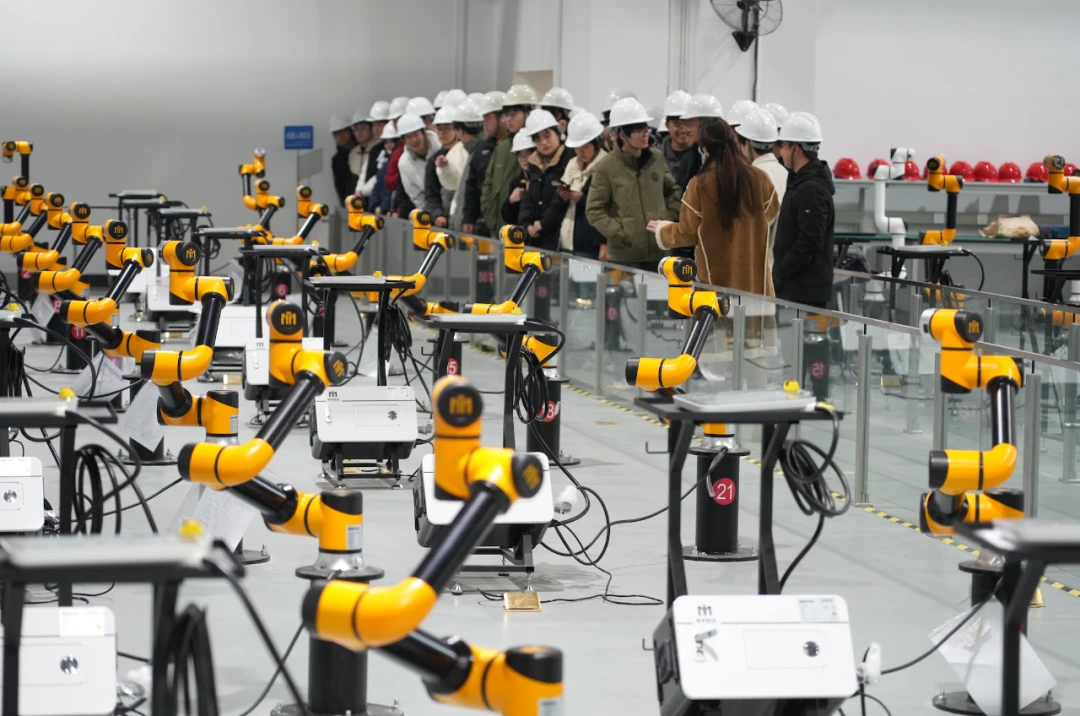
In contrast to traditional robot arms, collaborative robots, or cobots, were developed to work alongside human operators. Cobots are designed with safety features that enable them to interact closely with humans without the need for safety cages—an innovation that makes them more versatile for various applications.
Design and Functionality
Cobots feature advanced sensors and AI capabilities that allow them to understand and respond to their environment, making them inherently safer for close human interaction. Their design focuses on ease of use, often allowing for quick set-up and programming, which enables businesses to deploy them rapidly across operations.
Key Features:
- Safety Features: Cobots are equipped with sensors to detect human presence, automatically slowing down or stopping their motion to prevent accidents.
- Ease of Programming: Many cobots are designed with intuitive interfaces, allowing operators with little to no programming experience to configure and operate them.
- Flexibility and Mobility: Cobots can be easily repositioned and repurposed, making them suitable for small and medium-sized enterprises looking to boost productivity without massive capital investment.
Applications: Cobots are making significant inroads in various sectors, notably in assembly, packaging, and logistics. Their ability to assist human workers rather than replace them fosters an environment of collaboration, outperforming traditional automation methods in settings where tasks are not standardized.
Comparative Overview: Robot Arms vs. Cobots
1. Design Philosophy
While robot arms are engineered with a focus on strength and speed, cobots emphasize safety and collaboration. Robot arms often require a dedicated workspace, while cobots are designed to complement human labor and can operate in shared spaces.
2. Operational Flexibility
Cobots have the upper hand in flexibility and adaptability due to their user-friendly programming and sensitivity to their surroundings. Robot arms, although more capable of handling heavier tasks, require specialized knowledge for programming and shift adjustments.
3. Safety Considerations
Safety is a primary concern in manufacturing. Robot arms often necessitate the installation of safety barriers or cages to prevent accidents, which can increase overhead costs. Conversely, cobots are inherently safer, built with features that allow them to work closely with people without strict safety restrictions.
Current Trends in the Market
The adoption rates for both robot arms and cobots are dictated by the changing needs of industries. A recent survey by the International Federation of Robotics (IFR) revealed that cobots are becoming increasingly favored, especially among SMEs (small and medium enterprises), due to their affordability, ease of use, and ability to enhance human skills.
- Growth in Small and Medium Enterprises: Cobots are being adopted at a rapid rate among SMEs. With their low barrier to entry and scalability, cobots allow smaller businesses to invest in automation without the significant upfront capital associated with traditional robot arms.
- Hybrid Workspaces: As industry leaders recognize the value of human-robot collaboration, hybrid environments combining robot arms and cobots are emerging. This trend allows manufacturers to utilize the unique capabilities of each type of robot effectively, optimizing production while maintaining a human-centered workforce.
- Advancements in AI: Rapid advancements in artificial intelligence are enhancing both robot arms and cobots. AI integration is enabling smarter robots that learn from their environments, improving adaptability, efficiency, and decision-making in real-time.
- Sustainability and Efficiency: Companies are looking towards automation as a means of minimizing waste and maximizing efficiency. Cobots, in particular, facilitate energy-efficient practices within operations, contributing to sustainable business models—a trend that is increasingly being adopted in industries focused on green technology.
Impact on Workforce Dynamics
The introduction of both robot arms and cobots into the workplace has spurred debates on workforce displacement. However, data suggests that while robots may replace specific tasks, they also create opportunities for new jobs, particularly in programming, maintenance, and oversight.
- Reskilling Initiatives: Many businesses are investing in training programs to upskill their existing workforce, enabling employees to work effectively alongside robots.
- Enhanced Job Satisfaction: Cobots take over mundane and repetitive tasks, allowing human workers to engage in more complex, fulfilling assignments.
Conclusion: Making the Right Choice
As industries continue to automate processes, understanding the distinctions between robot arms and collaborative robots is essential for making informed decisions. Each solution offers distinct advantages and disadvantages based on design, functionality, and application.
For businesses seeking to enhance production efficiency, evaluating specific operational needs and compatibility with existing workflows will be crucial. Whether opting for the strength of robot arms or the collaborative nature of cobots, the integration of automation is imperative in staying competitive in an increasingly automated world.
Final Thoughts
Investing in automation technology is not just about enhancing the bottom line; it is about reimagining the workplace as a collaborative environment where humans and robots work side by side. As technologies evolve and the market expands, companies have the opportunity to cultivate practices that not only maximize productivity but also foster a work culture thriving on innovation and collaboration.
For more insights on industrial automation trends or personalized guidance on integrating robotic technologies, stay tuned for our upcoming articles, which will delve deeper into the evolving landscape of automation and its implications for various industries.