
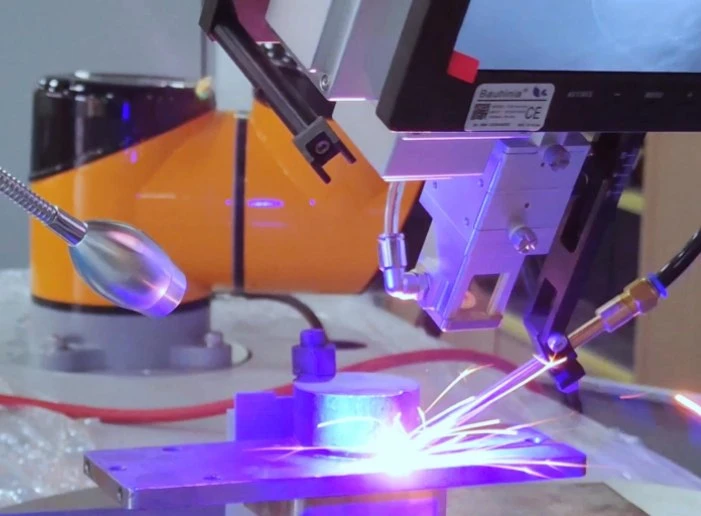
Role of Robot Manipulators in Robotic Welding
Despite the initial investment costs and integration challenges, the future outlook for robot manipulators in robotic welding remains promising, with anticipated developments paving the way for even greater efficiencies and capabilities. Ultimately, the role of robot manipulators in welding is indispensable, offering a pathway towards increased efficiency, quality, and safety in the welding industry.
Introduction
Definition of robotic welding
Robotic welding involves the use of automated systems, including robot manipulators, to perform welding tasks. These systems are programmed to execute precise movements and control welding parameters, offering numerous advantages over traditional manual welding methods.
Importance of robot in the welding process
Robot manipulators play a crucial role in robotic welding by providing the mechanical means to position and move the welding tool with high accuracy and repeatability. They serve as the arms of the welding robot, executing welds according to predefined instructions, thereby streamlining the welding process and enhancing overall efficiency.
The Efficiency of Robot Manipulators
01
Precision and repeatability
Precision and repeatability are fundamental aspects of robot manipulators, allowing them to consistently execute welds with minimal deviation from the desired path. This precision ensures uniformity in weld quality across multiple workpieces, leading to increased productivity and reduced scrap rates.
02
Increased productivity output
By automating repetitive welding tasks, robot manipulators contribute to higher throughput and output in welding operations. Their ability to work continuously without fatigue or breaks further enhances productivity, making them indispensable assets in high-volume manufacturing environments.
03
Reduction of human error and fatigue
Human error is a common concern in manual welding, but robot manipulators help mitigate this risk by following precise instructions without deviation. This reduction in human error not only improves the overall quality of welds but also minimizes the need for rework, saving both time and resources.